Optimal Timing for Foundation Repairs
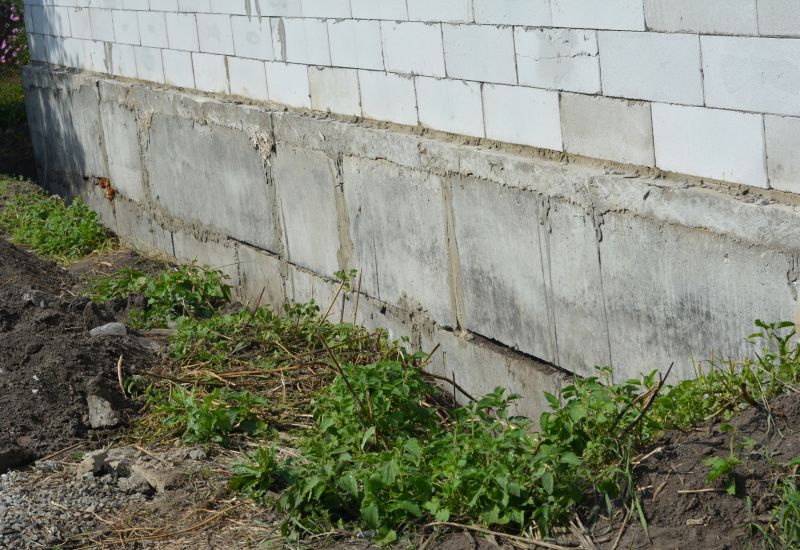
Spring offers moderate temperatures and stable ground conditions, making it an ideal time for foundation repairs.
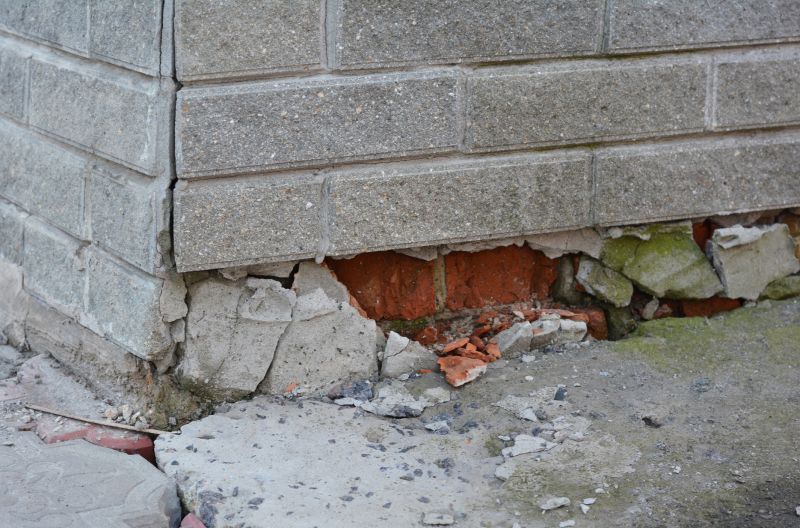
Summer's warmth can facilitate certain repair methods, but excessive heat and dry conditions may pose challenges.
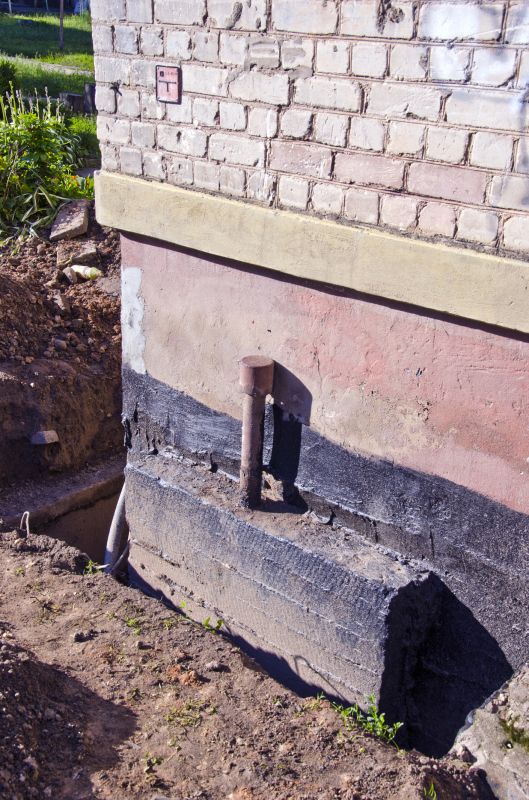
Fall provides cooler temperatures and less moisture, reducing the risk of soil movement during repairs.
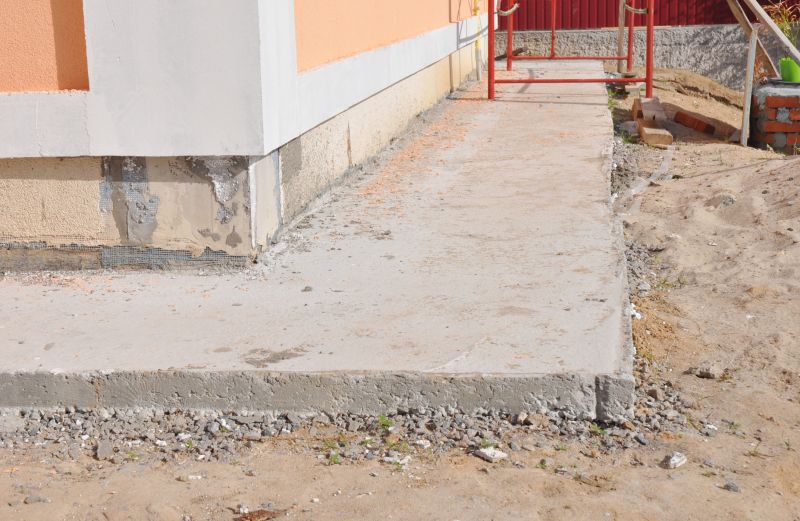
Winter is generally less suitable due to cold weather and frozen ground, which can hinder repair work.
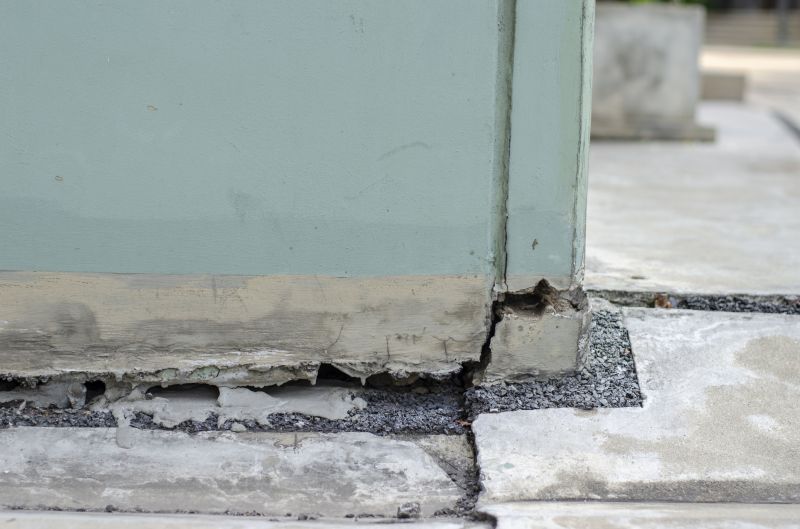
Spring and fall are typically considered the best seasons for foundation repairs due to favorable soil and weather conditions.
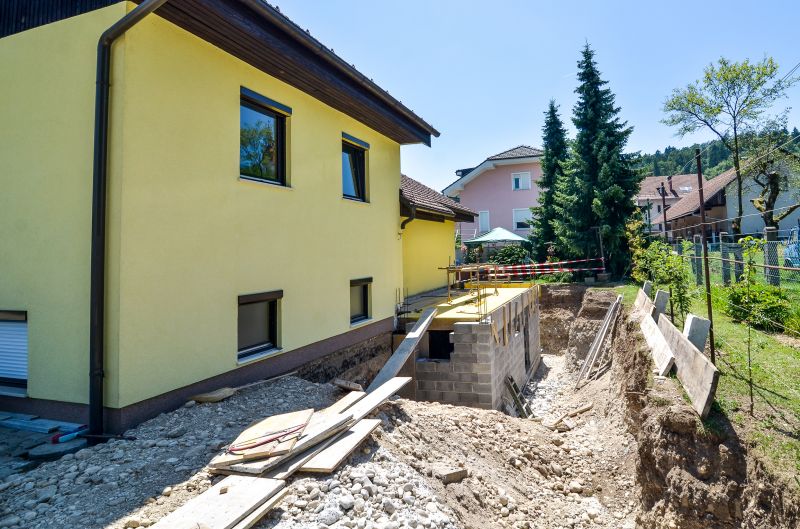
Weather conditions influence the timing of foundation repairs, with dry and moderate seasons minimizing complications.
Foundation repairs are critical for maintaining the stability and safety of a structure. The timing of repairs can significantly impact their effectiveness and longevity. Seasonal factors such as soil moisture, temperature, and ground movement play a vital role in determining the most suitable time for intervention. Proper timing ensures that repairs are more durable and less prone to issues caused by environmental conditions.
Statistics indicate that over 25% of structural issues in residential buildings are related to foundation problems. Addressing these issues promptly and during optimal seasons can prevent costly damages and extensive repairs in the future. Understanding the seasonal impact on soil behavior helps homeowners and contractors plan repairs effectively, reducing the risk of setbacks and ensuring long-term stability.
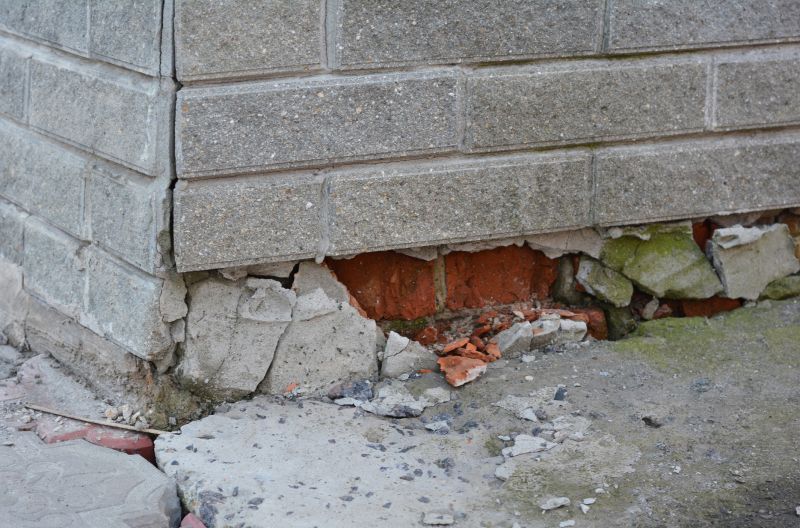
Cracks in foundations are often repaired during favorable weather to ensure stability.
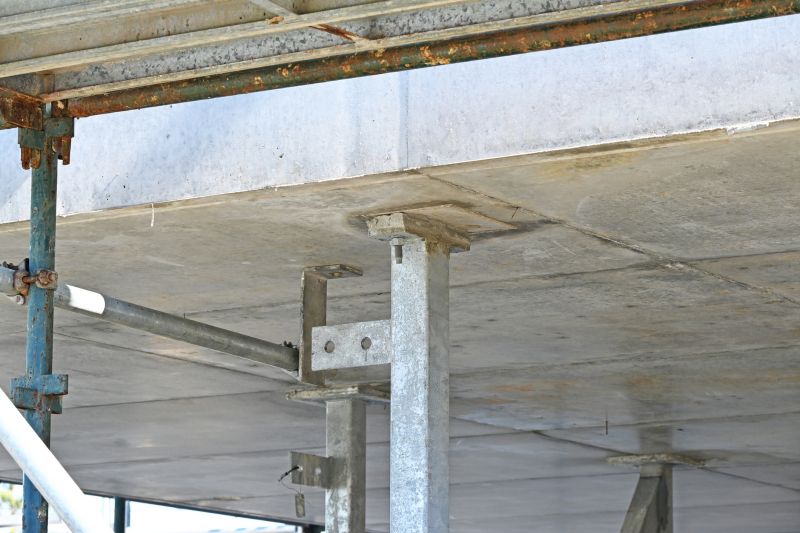
These repairs are best scheduled during dry seasons to prevent soil swelling.
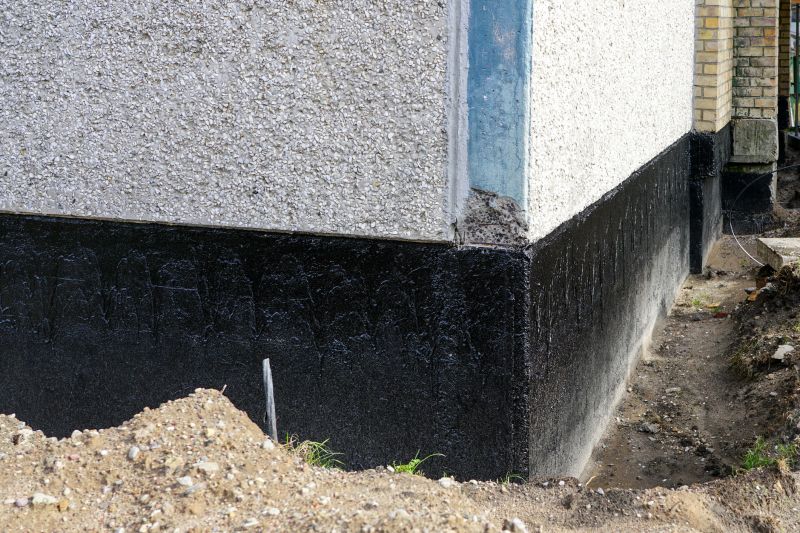
Timing repairs in moderate weather conditions helps achieve better adhesion and curing.
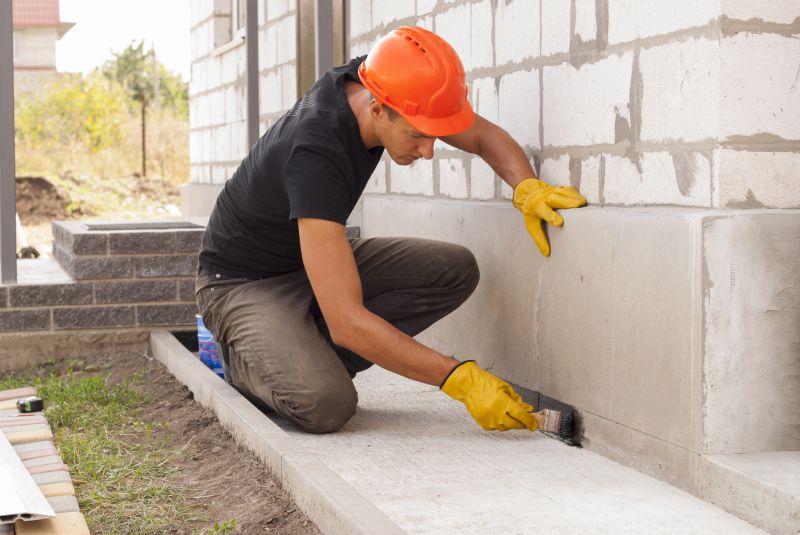
Optimal during seasons with predictable soil moisture levels.
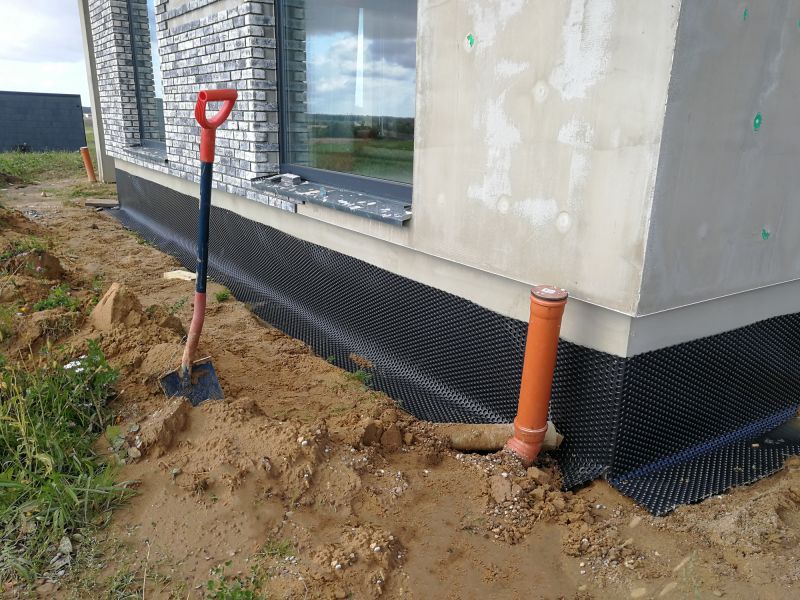
Best done in dry seasons to prevent water intrusion during repairs.
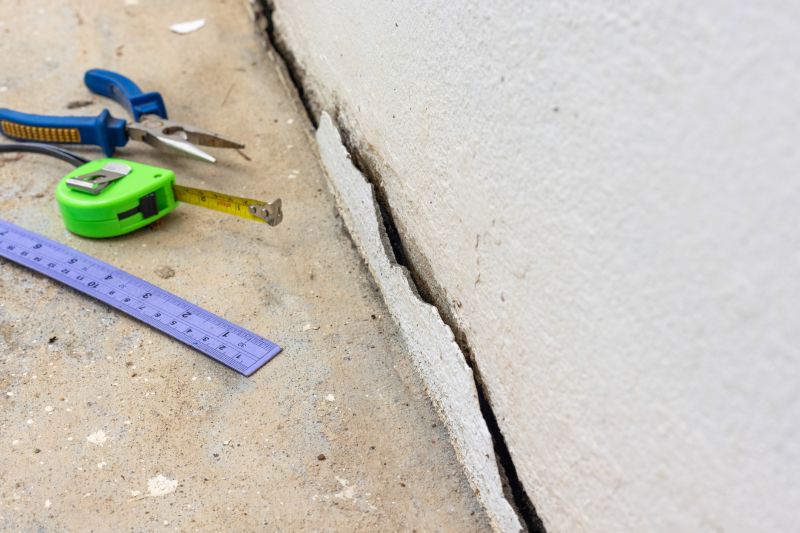
Regular assessment helps determine the best repair timing based on ground conditions.
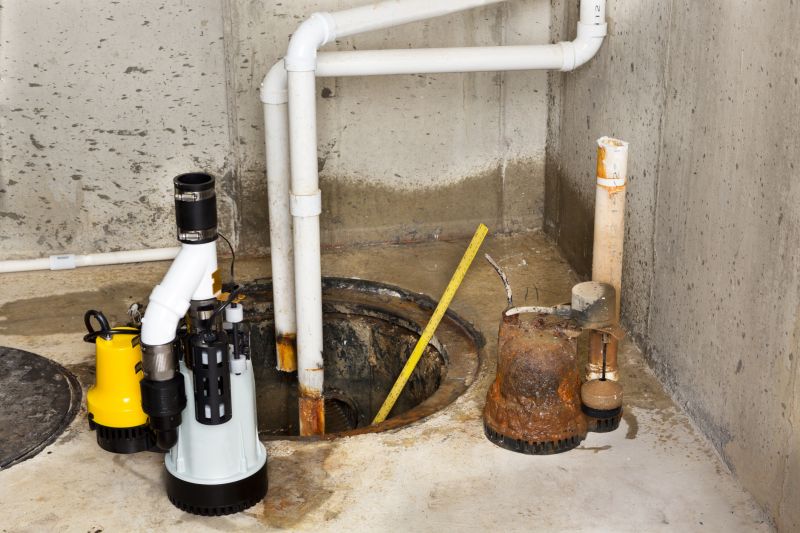
Timing repairs to coincide with low water table periods minimizes pressure on foundations.
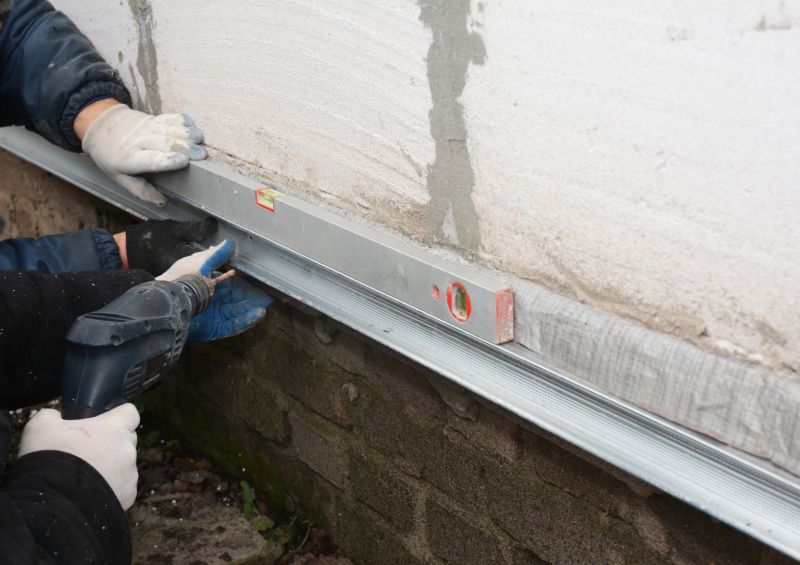
Performed during seasons with minimal ground movement for precise results.
| Season | Ideal Repair Conditions |
|---|---|
| Spring | Moderate temperatures, stable soil moisture, ideal for most repairs. |
| Summer | Warm weather suitable for certain repairs; dry conditions preferred. |
| Fall | Cooler temperatures, less soil movement, good for repairs. |
| Winter | Cold and frozen ground, generally not suitable for repairs. |
Understanding the seasonal variations and their impact on soil and ground conditions is essential for effective foundation repair planning. Proper timing can enhance repair durability and reduce the likelihood of future issues. Consulting with a foundation specialist can help determine the most appropriate time based on specific site conditions.
If interested in foundation repairs, filling out the contact form can provide guidance on scheduling and assessing the best timing for specific needs. Proper planning ensures repairs are performed under optimal conditions, contributing to long-term structural stability.
Ways to make Foundation Repairs work in tight or awkward layouts.
Popular materials for Foundation Repairs and why they hold up over time.
Simple add-ons that improve Foundation Repairs without blowing the budget.